Spots journal
8 real spots, zero bookings
Travel-editorial notes on well-known surf spots — the wave, the geography, and an honest account of where each place actually stands on Chinese tea. Nothing here is a listing or a reservation; it's a journal.

Byron Bay — Wategos and The Pass
Byron Bay, New South Wales, Australia
Australia's most easterly point, two easy-going right-handers a short walk apart, and a town that runs, unapologetically, on flat whites.
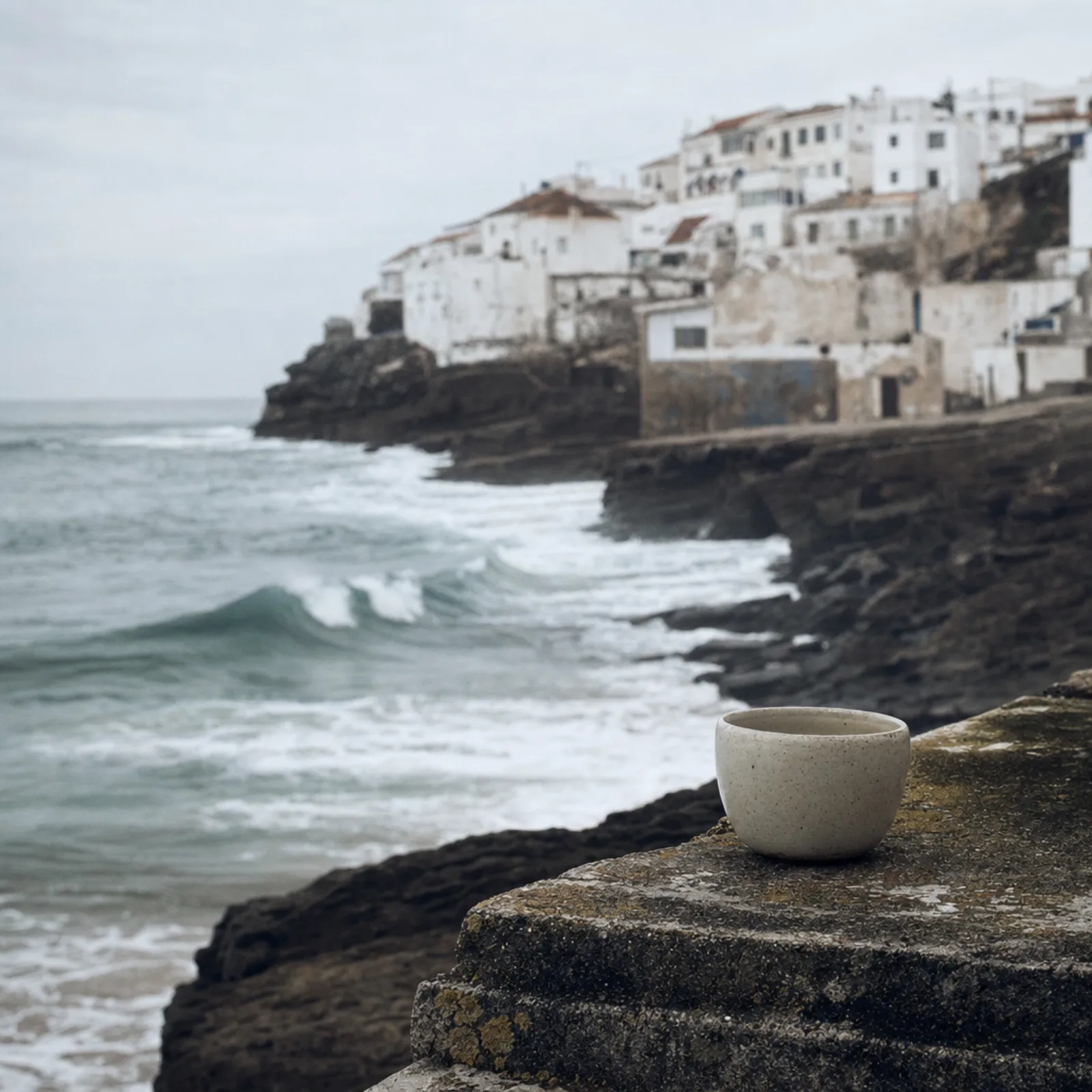
Ericeira — Europe's first World Surfing Reserve
Ericeira, Portugal
A short stretch of Atlantic coast north of Lisbon holding seven distinct breaks, recognised in 2011 as Europe's first World Surfing Reserve — and a fishing town that runs on espresso, not gaiwan.
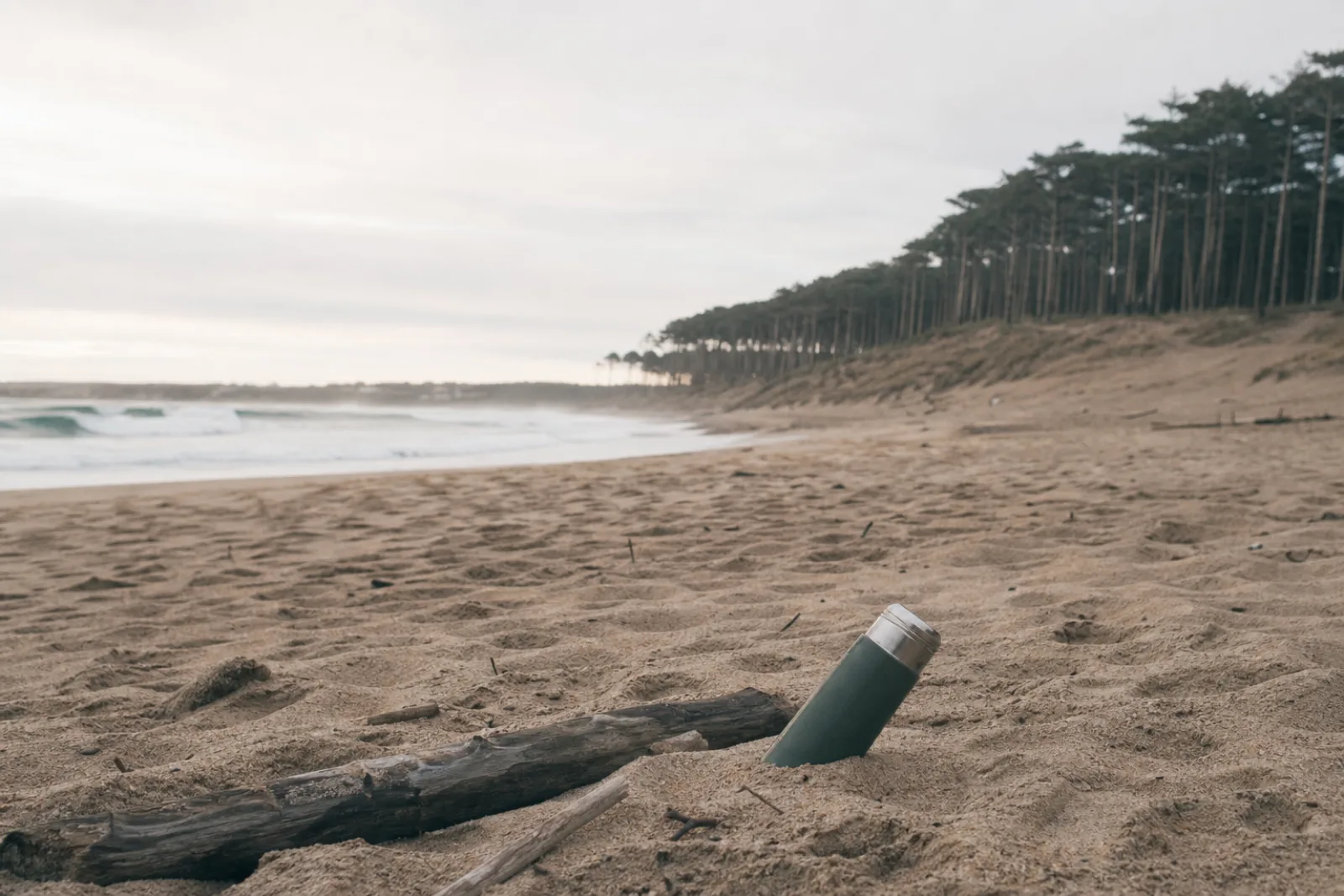
Hossegor — the Landes coast, France
Hossegor, France
A stretch of shifting sandbank beach breaks on France's south-west coast, home to some of the heaviest, most competition-tested waves in Europe.
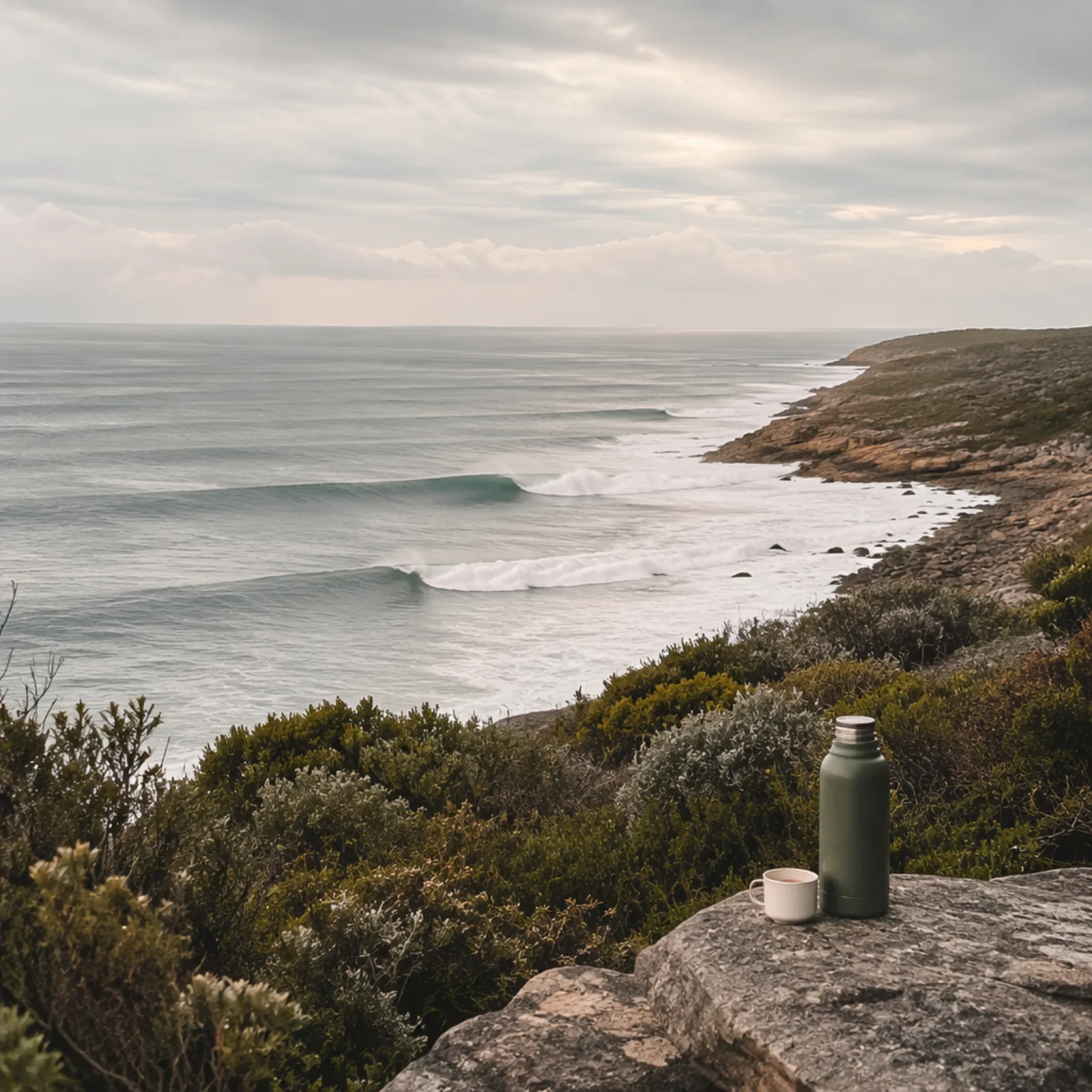
Jeffreys Bay — Supertubes, South Africa
Jeffreys Bay, Eastern Cape, South Africa
One of the world's most famous right-hand point breaks, long enough to blur the line between one wave and several, on a stretch of coast better known for its cold water than its tea.
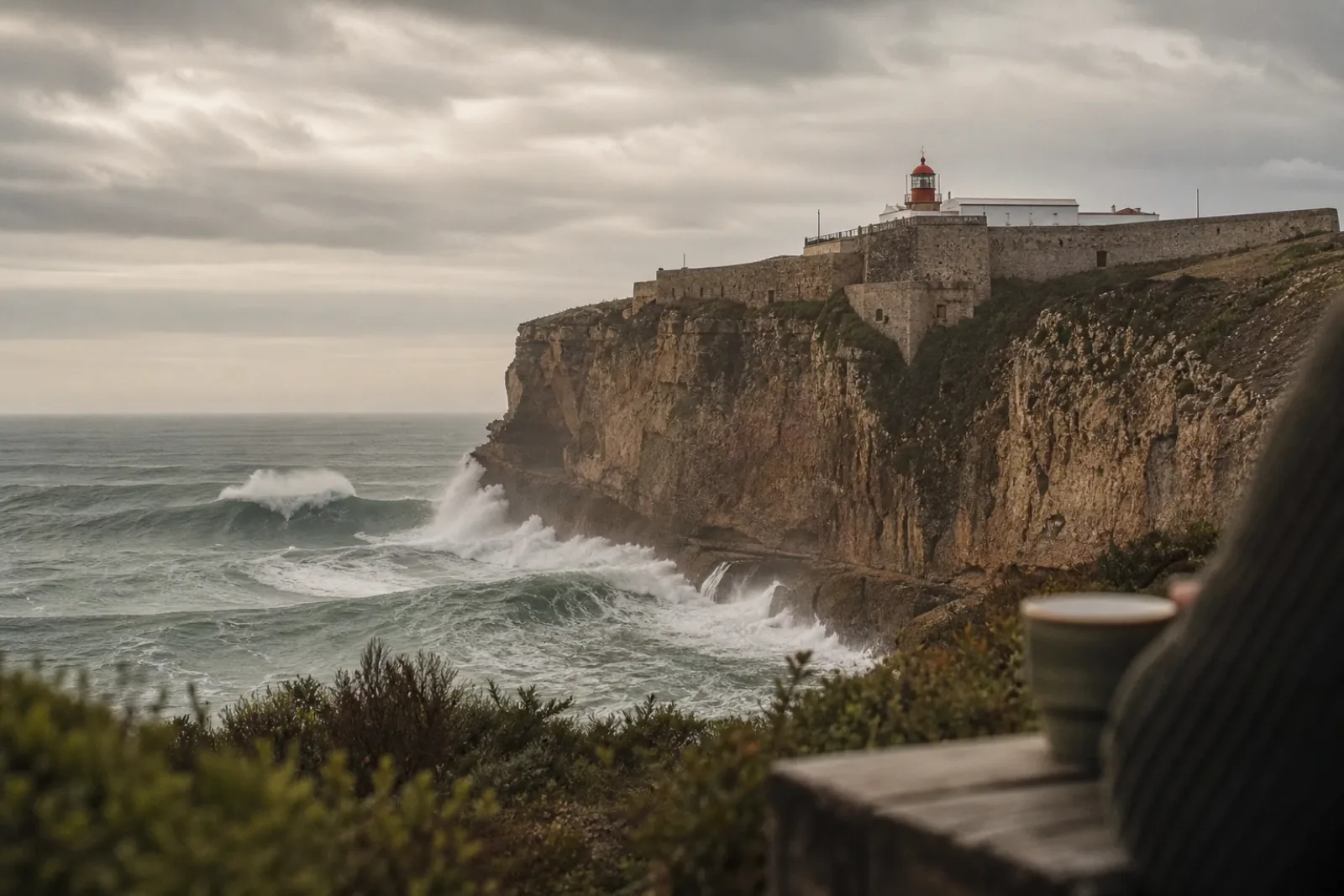
Nazaré — the canyon that makes giants
Nazaré, Portugal
A fishing town on Portugal's central coast where an underwater canyon amplifies incoming swell into some of the largest rideable waves ever recorded — watched from a clifftop, not paddled by most of us.
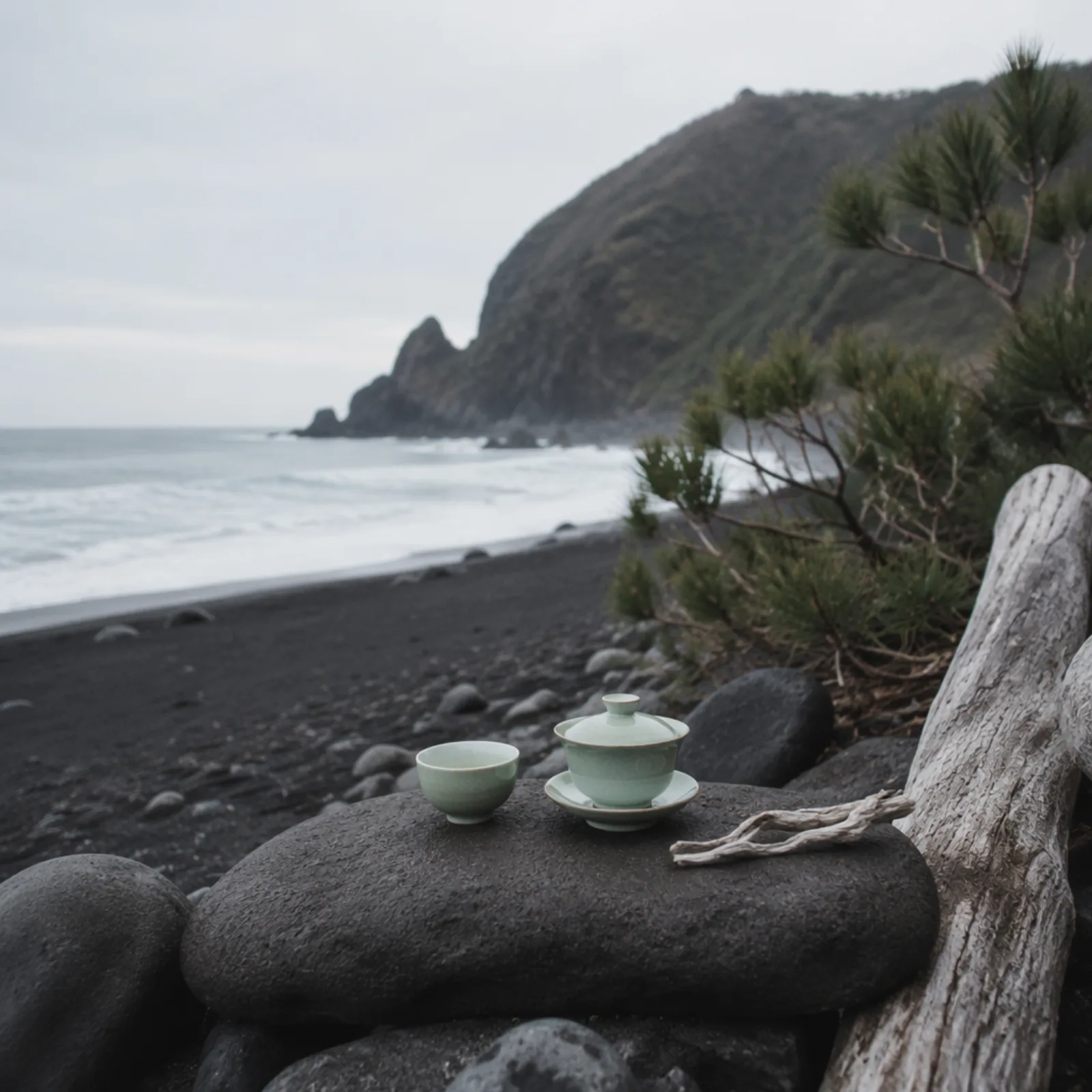
Niijima — two hours from Tokyo by jetfoil
Niijima, Izu Islands, Japan
A small volcanic island in the Izu chain, reachable from Tokyo by jetfoil in about two hours, with a long white-sand beach break and a real, centuries-deep tea culture of its own — just not a Chinese one.
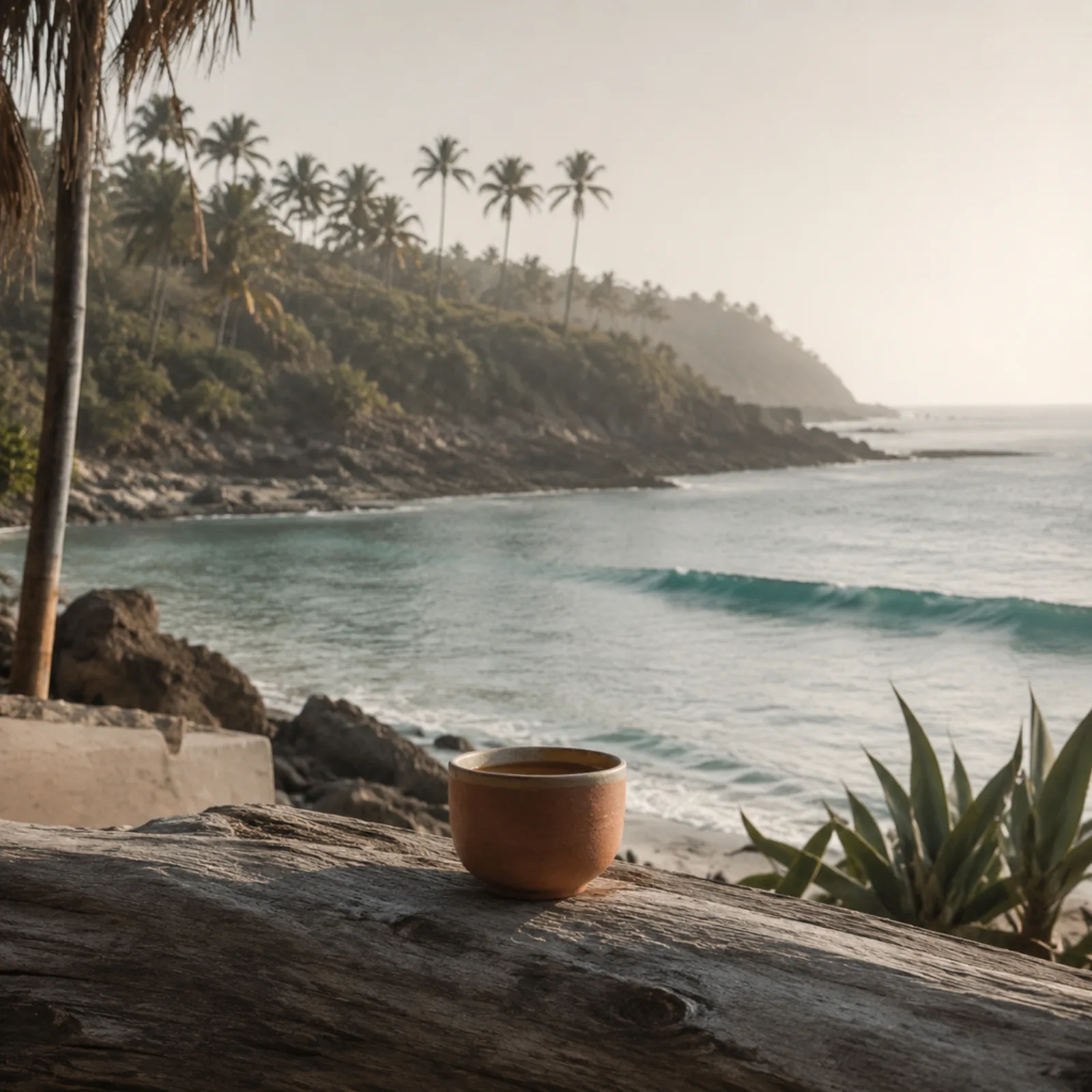
Punta Mita — Riviera Nayarit, Mexico
Punta Mita, Nayarit, Mexico
A blunt Pacific peninsula on Mexico's Riviera Nayarit with several distinct breaks a short walk or boat ride apart, warm water year-round, and a coffee-and-agave drink culture of its own.
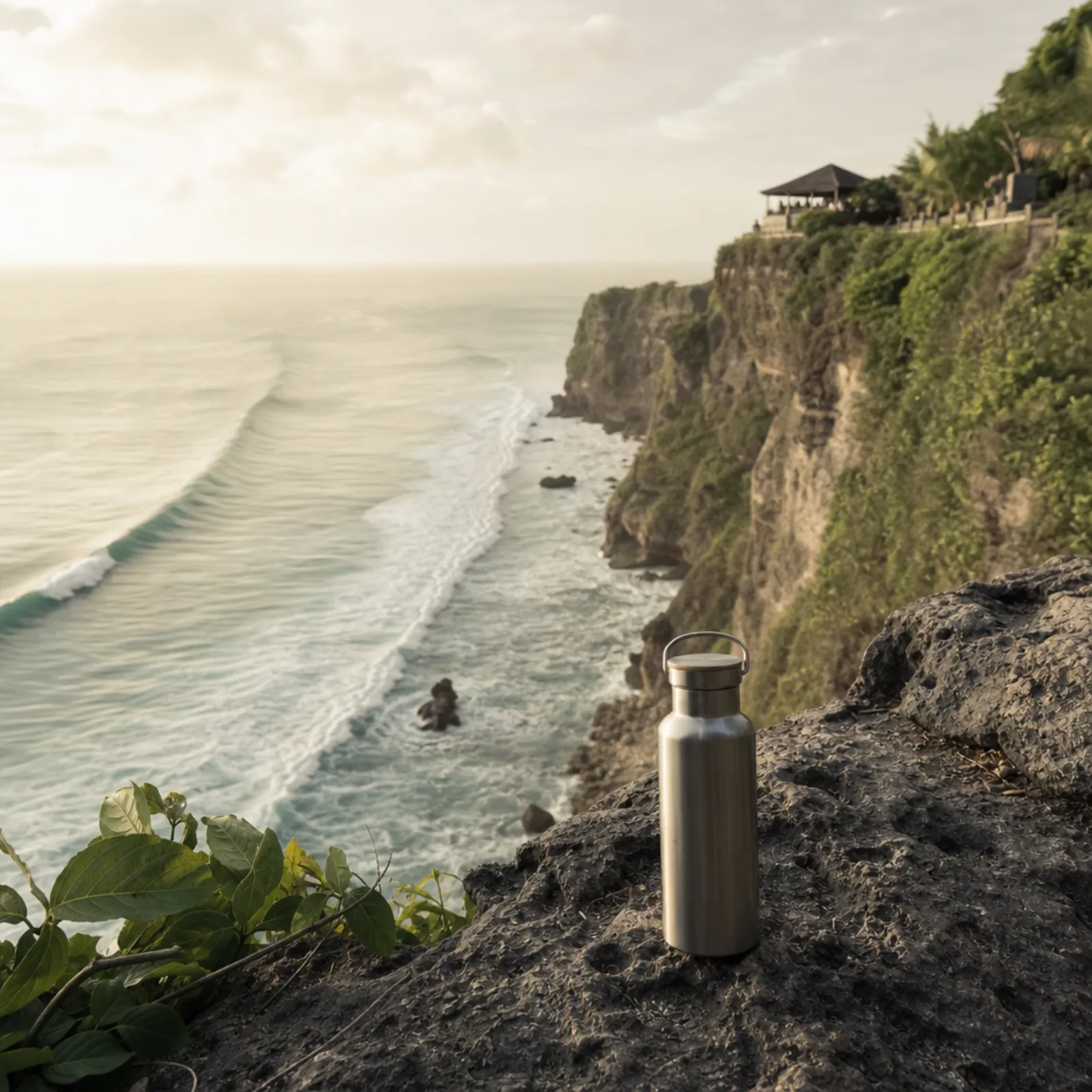
Uluwatu — the Bukit peninsula, Bali
Uluwatu, Bali, Indonesia
A limestone cliff line on Bali's southern peninsula, home to one of the most photographed reef breaks in surfing, and — a plain fact worth stating — no indigenous Chinese tea tradition of its own.